-
MS Excel Template Agile SCRUM Sprint Burn Down Chart Table & Burn Up Chart where no access to Agile tools like Jira
Editable MS Excel template for Agile Scrum burn down & burn up charts. Perfect for sprint tracking & reporting when Jira or Agile tools aren’t available.
$ 30$ 40 -
MS Excel, tracking project month, weekly financials incl. contracted work, forecasts, actuals, variance, expenses, pivot
A comprehensive editable, table MS Excel spreadsheet for tracking project monthly financials including summary view tab, contracted work, forecasts, actuals, variance, expenses, annual leave, suppliers and pivot tab. Purchase also includes other budget tracker examples.
$ 30$ 40 -

Non Profit KPI Dashboard Excel Template, KPI Report, Dynamic Editable Performance Tracking Tool, Reporting File, Ready to Download
Make managing your nonprofit’s performance easier with this dynamic and editable Non Profit KPI Dashboard Excel Template.
Whether you’re tracking donations, volunteer hours, or program impact, this template helps you stay on top of key metrics and make data-driven decisions.
For more details about the template, check the link below;
With this easy-to-use tool, you can customize the dashboard to fit your nonprofit’s unique goals, track progress, and generate clear reports. Ideal for nonprofit organizations, charities, and social enterprises, it saves you time and helps keep your team focused on what matters.
Perfect for nonprofit managers, directors, and anyone responsible for tracking performance and reporting, this template helps simplify your workload.
Key Features:
Fully customizable and editable Excel dashboard
Tracks key nonprofit KPIs like donations, volunteers, and program results
Simple design for easy use, no advanced Excel skills needed
Ready to download and start using immediately
Ideal for nonprofits, charities, and social impact projects
Content:
• Excel file compatible with Excel 2010 and higher (and with sample data)
• Professional Design
• Works both on Mac and Windows
• No installation needed. Ready to use
• Dashboard with charts
• Non-Profit KPI Dashboard Template
• Easy to use
• 100% editable
• Excel file
• Instant download
• Friendly customer support for all your questions
License: Private Use (not for distribution or resale)
$ 35 -
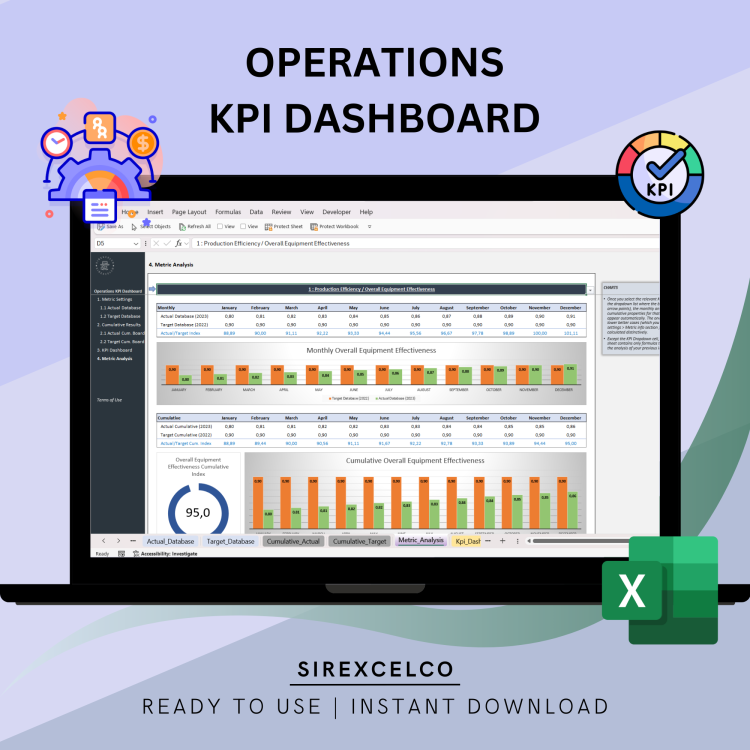
Operations KPI Dashboard Excel Template | Spreadsheet for Business Management | Performance Tracking | Editable Operations KPI Dashboard
This Operations KPI Dashboard Excel Template is perfect for tracking and visualizing your business performance metrics.
For more details about the template, check the link below;
Whether you’re managing a small business or a large enterprise, this customizable Excel dashboard helps you monitor key performance indicators (KPIs) in real-time. With easy-to-use formulas and pre-built charts, you can efficiently track and analyze data to make informed decisions. Download this template today and take control of your business analytics with a professional, user-friendly tool.
Content:
• Excel file compatible with Excel 2010 and higher (and with sample data)
• Professional Design
• Works both on Mac and Windows
• No installation needed. Ready to use
• Dashboard with charts
• Operations KPI Dashboard
• Easy to use
• 100% editable
• Excel file
• Instant download
• Friendly customer support for all your questions
License: Private Use (not for distribution or resale)
$ 35 -
OpEx – Apply Six Sigma to Process Control and Improvement
Six Sigma for Process Control and Improvement
This document outlines a comprehensive Six Sigma training programme, focusing on process control and improvement using the DMAIC (Define, Measure, Analyse, Improve, Control) methodology. The material introduces Six Sigma as a framework for reducing variation and improving customer satisfaction through data-driven problem-solving, aiming for a performance level of 3.4 defects per million opportunities. It details each phase of DMAIC, providing specific tools and techniques, such as project charters, data collection plans, cause and effect diagrams, and control charts. The training incorporates practical simulations, like the “X Pult” exercise, to demonstrate the application of these methods in identifying problems, measuring performance, analysing root causes, implementing solutions, and sustaining improvements within an organisational context.$ 59$ 64 -
-
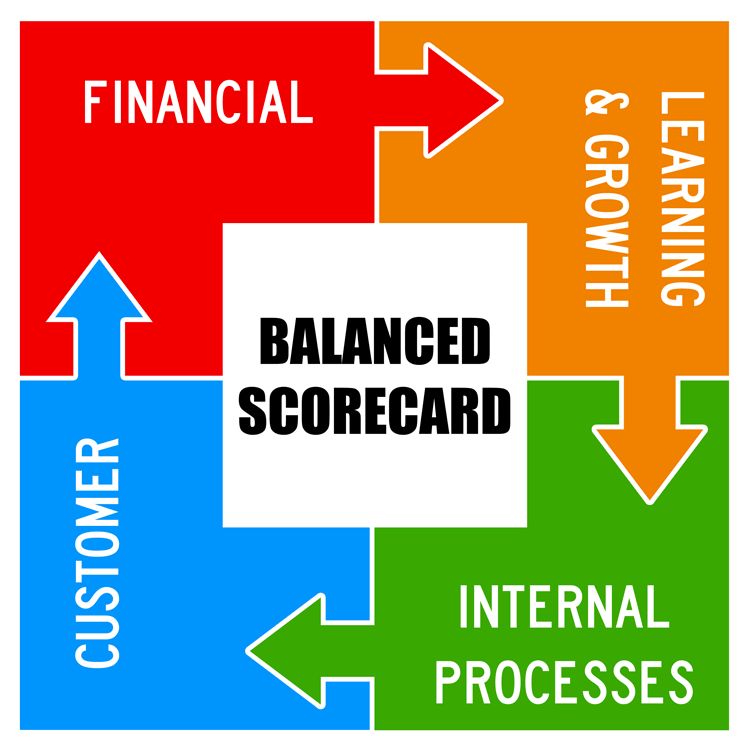
OpEx – Balanced Scorecard Self-Assessment
Understand your current situation with respect to measurement to set goals for improvement.
$ 24$ 29 -
OpEx – Business Integration Excellence Assessment
Understand the current state of your business integration to set improvement goals
$ 29$ 34 -
OpEx – Inventory Management
This source provides an extensive overview of inventory management within supply chain fundamentals. It introduces Vishnu Rayapeddi as the author, highlighting their significant experience and qualifications in the field. The text thoroughly defines inventory and inventory management, outlining key objectives such as customer service and cost minimisation. Various types of inventory are explored, alongside the costs associated with inventory, including holding, ordering, and shortage costs. The document also differentiates between independent and dependent demand and explains various order quantity strategies, focusing on the Economic Order Quantity (EOQ) model and the Quantity Discount Model, complete with practical examples. Furthermore, it details ABC analysis for inventory categorisation, its procedural steps, and implications for inventory management policies, including cycle counting and different inventory valuation methods like FIFO, LIFO, and Weighted Average. Finally, the text briefly touches upon Kanban systems as a method for production control.
$ 39$ 44OpEx – Inventory Management
$ 39$ 44 -
OpEx – Kaizen, Continuous Improvement
Facilitating Kaizen
The provided document, “OpEx-Facilitate CI-Kaizen.pdf” by Vishnu Rayapeddi, introduces Kaizen, a Japanese concept meaning gradual and orderly continuous improvement. It outlines a structured approach to fostering an organisational culture of sustained improvement by eliminating waste through various activities. The text highlights different types of Kaizen activities, including “Quick and Easy Kaizen” for daily small improvements and “Kaizen Events” (also known as “Kaizen Blitz”) for targeted, accelerated improvements. The Plan-Do-Check-Act (PDCA) cycle is presented as the core process for continuous improvement, emphasising the importance of standardising new processes to prevent regression. The document also details the planning, implementation, and follow-up phases for Kaizen events, suggesting a comprehensive framework for achieving operational excellence.$ 39$ 44 -
OpEx – Lean Culture Surveynt
Understand the current culture of your organisation to set improvement goals
$ 19$ 24OpEx – Lean Culture Surveynt
$ 19$ 24