Understanding Education: From Early Learning to Lifelong Growth
Education is the process of learning and gaining knowledge, skills, and values that shape our understanding of the world. It helps us navigate our daily lives and develop the ability to solve problems and think critically. Education happens in many forms and at different stages of life.
Primary and Secondary Education
Primary education lays the foundation for basic literacy and skills needed for further learning. As students progress to secondary education, they build on these skills, preparing for more advanced studies or entering the workforce through vocational training.
Higher Education and Vocational Training
After secondary school, students may pursue tertiary education or vocational training to develop specialized knowledge in specific fields of study. Colleges and universities, whether public or private, provide this education, offering paths for professional development and long-term career success.
Formal and Non-Formal Education

Formal schooling happens in structured environments like public schools, private schools, and universities. However, learning also takes place in non-formal education, which includes workshops, training programs, and community-based learning. Both forms of education are critical in fostering lifelong learning.
The Role of Teaching Methods and Technologies
The success of education often depends on effective teaching methods that engage students. Approaches like competency-based learning and character training help shape well-rounded individuals. Critical thinking and problem-solving are key skills developed through innovative teaching strategies.
With the rise of digital technologies, education is more accessible than ever before. Education technologies (EdTech) have introduced tools like online learning platforms, interactive simulations, and communication technologies that make education more interactive and engaging. These technologies enhance the educational experience and prepare students for a tech-driven world.
Lifelong Learning and Professional Development
Education doesn’t end with school. Lifelong learning encourages individuals to continue developing their skills throughout life. Professional development opportunities, such as industry certifications and advanced degree programs, allow adults to stay relevant in their careers and adapt to changing demands in the workforce.
Education’s Role in Social Development
Education is not just about individual growth—it’s a tool for building a better society. By promoting social justice and addressing cultural norms, education shapes not only individuals but also entire communities. Education leaders and policymakers work to ensure quality education for all, driving progress in both public education and private sectors.
How Can OfficeDocDepot Enhance Your Educational Operations?
At OfficeDocDepot, we recognize the diverse and evolving demands of education in today’s fast-paced world. Whether you’re an educator, school administrator, or educational consultant, you’ll find an extensive array of resources to help streamline and strengthen your educational operations.
OfficeDocDepot serves as a vital connection, providing access to comprehensive educational solutions that meet a wide range of needs. Our platform simplifies the adoption of proven strategies and tools, enabling you to manage educational processes with ease, without having to start from scratch. This approach saves valuable time and ensures that your practices align with current educational standards and advancements.
Our resources offer support for curriculum development, compliance with education regulations, and classroom management. We also provide materials designed to enhance student engagement, address the unique needs of diverse learners, and implement digital learning solutions effectively. Additionally, we offer guidance on improving communication between educators, students, and parents, as well as fostering a supportive and inclusive learning environment.
Visit OfficeDocDepot today to explore how you can enhance your educational strategies with our carefully curated resources, ensuring efficient operations and successful learning outcomes.
Frequently Asked Questions
What is the definition of education?
Education is the process of acquiring knowledge, skills, values, and habits through various teaching methods, whether in formal schools or informal settings. It’s essential for personal development and societal progress.
How has education evolved throughout history?
Education has transformed significantly, from informal teachings within communities to formal schooling systems. Historically, education was reserved for the elite, but over time, it became more accessible to the general population through public education systems.
What are the main types of education?
The three primary forms are formal education, which takes place in structured institutions like schools and universities; non-formal education, which includes vocational training and workshops; and informal education, which happens through everyday experiences and learning outside of traditional settings.
What is the role of education support personnel?
Education support personnel help maintain the smooth functioning of educational institutions by providing administrative, technical, and classroom support to ensure students receive quality education.
What is the importance of childhood education?
Childhood education forms the foundation for cognitive and social development. Early learning experiences help shape children’s future academic performance and overall development.
Conclusion
From childhood development through to adult professional life, education is a lifelong process that adapts to the evolving needs of society. Whether through formal schooling, vocational training, or digital learning, education equips people with the tools they need to thrive, both personally and professionally. It is the cornerstone of human development, shaping how we live, work, and contribute to the world.
-
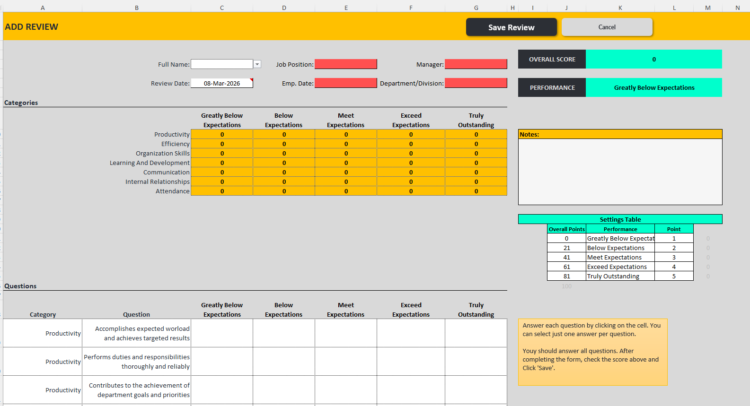
Dynamic Performance Review Excel Template
This Performance Review Excel Dashboard Template helps you organize employee evaluations and analyze performance in a clear and structured way.
$ 49 -
Project POAP – MS PowerPoint template – Both editable & easy to use
Microsoft PowerPoint template both editable & easy to use, offers a quick way to construct a PPT Project Plan On a Page ( POaP ) for stakeholders
$ 30$ 40 -
Waterfall Project Planner, Project Plan Gantt Chart & Resource Cost / Budget / Revenue Tracker – MS Microsoft Excel (x2)
Waterfall Project Planner with Plan Gantt View and Project Resource Cost Tracker – MS Microsoft Excel Template (2 comprehensive templates for the price of one)
$ 30$ 40 -
PRINCE2 7th Edition Planner MS Templates Download – Both Microsoft Project MPP msp & ms Excel and Word Formats – Prince2
PRINCE2 7th Edition MS Templates Download – Microsoft Project MPP msp ms Excel and Word Formats – Prince2 Template Toolkit
$ 40$ 50 -
Project Management Template, Editable Excel Planner, Gantt Chart for Status Reports, Costing Delivery, Bids
Prince2 & Agile Project Management Templates | Editable Excel Planner, Gantt Chart for Status Reports, Costing Delivery, Bids
$ 30$ 40 -
Microsoft Excel Editable Weekly Status Report (internal external reporting) including Plan on a Page and RAIDs log etc.
Excel Weekly Status Report template with POaP, RAID log, burndown chart. For Agile or PRINCE2 projects. Editable for internal/external reporting.
$ 30$ 40 -
Prince2 & Agile Weekly / Monthly Project Status Report for Client / Internal reporting of Project Health, 3 formats
Prince2 & Agile project status report template in 3 PPT formats. Ideal for client & internal reporting of project health, risks, milestones & progress.
$ 30$ 40 -
Guide to using the Microsoft (MS) Teams FREE Planner App for tracking Waterfall, PRINCE2, Agile and Agile Scrum projects
Step-by-step MS Teams Planner guide for managing Waterfall, PRINCE2 & Agile projects. Learn to set up boards, track tasks & report progress easily.
 $ 30
$ 30$ 40 -
MS Excel Template Agile SCRUM Sprint Burn Down Chart Table & Burn Up Chart where no access to Agile tools like Jira
Editable MS Excel template for Agile Scrum burn down & burn up charts. Perfect for sprint tracking & reporting when Jira or Agile tools aren’t available.
$ 30$ 40 -
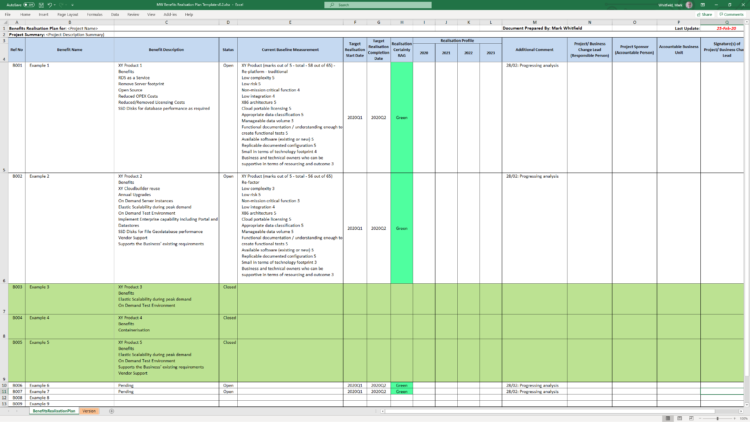
Programme, Project Benefits Realization Tracker MS Template for Recording & Tracking project benefits, baseline & status
MS Excel template for Programme & Project Benefits Realization tracking. Record benefits, baselines, targets & RAG status to monitor project outcomes.
$ 30$ 40 -
Prince2 & Agile Excel RAID log template, track project Risks, Assumptions, Issues, Dependencies (plus other key logs)
Prince2 & Agile Excel RAID log template to track Risks, Assumptions, Issues, Dependencies & more. Editable, comprehensive & ideal for project managers.
$ 30$ 40 -
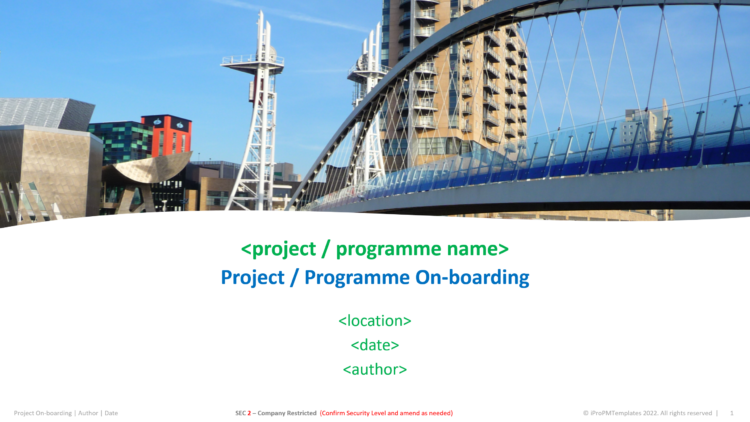
Project Programme Team Onboarding Kit Microsoft PowerPoint Editable Template
Editable MS PowerPoint Project & Programme Team Onboarding Kit. Ready-made slides to introduce new team members, project goals, roles & processes.
$ 30$ 40