-
OpEx – VSM, Value Stream Mapping
Value Stream Mapping
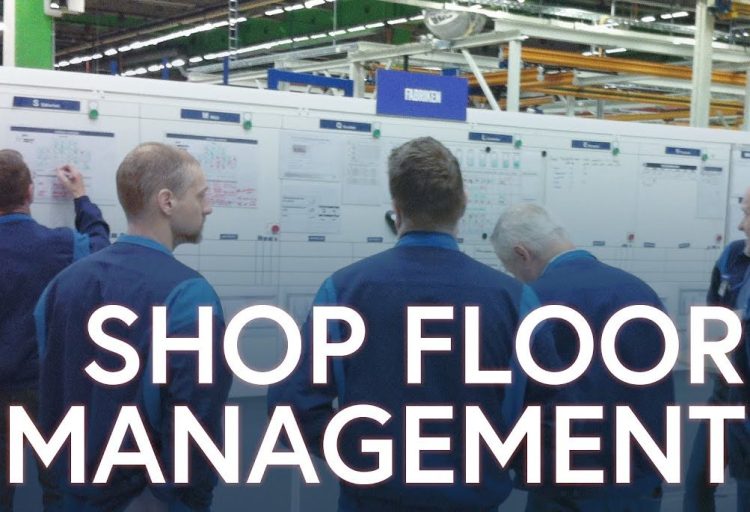
The provided source, “OpEx – VSM.pdf” by Vishnu Rayapeddi, serves as a comprehensive guide to Value Stream Mapping (VSM), a critical component of Operational Excellence. It outlines an eight-step roadmap for implementing VSM, beginning with a commitment to lean principles and culminating in continuous improvement. The document explains how VSM helps visualise entire value streams, identify and eliminate non-value-adding activities (waste), and ultimately improve efficiency and customer satisfaction within manufacturing, administrative, and service sectors. Key concepts such as Takt Time, flow, pull systems, and levelling production are explored, providing practical methods for optimising processes and achieving significant cost reductions and$ 59$ 69OpEx – VSM, Value Stream Mapping
$ 59$ 69 -
OpEx-5SVC-5S and Visual Controls
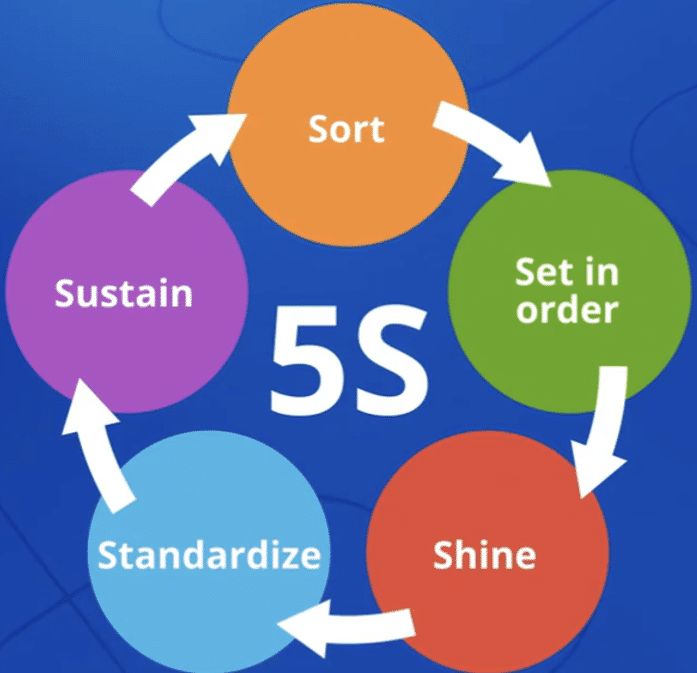
The source, titled “5S & Visual Controls for High Performance Workplace” by Vishnu Rayapeddi, outlines a comprehensive workshop focused on implementing the 5S methodology within an operational setting. This approach, originating from lean manufacturing principles, aims to create a safe, clean, and organised workplace to improve efficiency and quality. The document details each of the five “S” steps: Sort, Set-in-Order, Shine, Standardise, and Sustain, providing practical guidance, self-assessment tools, and examples for implementation. Ultimately, the objective is to achieve “World-Class Manufacturing” through disciplined workplace organisation and the effective use of visual controls and displays to communicate information and manage processes.
$ 54$ 64OpEx-5SVC-5S and Visual Controls
$ 54$ 64 -
OpEx-Introduction to Six Sigma
This Six Sigma presentation is an White Belt level and meant for senior management to get a comprehensive understanding of the concept of Six Sigma and how it can help organisations improve their functioning of operations, improve quality and reduce cost.
$ 44$ 49OpEx-Introduction to Six Sigma
$ 44$ 49 -
OpEx-Quality, Problem Solving & Root Cause Analysis (RCA)
Problem Solving
The provided document, “OpEx – Quality & Problem Solving” by Vishnu Rayapeddi, offers a comprehensive guide to achieving operational excellence through effective quality management and problem-solving methodologies. It introduces the core concept of Zero Quality Control (ZQC), which aims for zero defects by preventing errors from becoming flaws, highlighting its importance for customer satisfaction and cost control. The text details various inspection approaches, contrasting traditional methods with ZQC’s source inspection, 100% inspection, short feedback loops, and mistake-proofing (Poka-Yoke). Furthermore, the document outlines a 5-step problem-solving method, incorporating tools like PDCA (Plan-Do-Check-Act), Fishbone Diagrams, Pareto Charts, Flow Charts, and Brainstorming techniques to identify root causes and implement continuous improvements.$ 29$ 34 -
-
OpEx-Six Sigma – Improve Process Capability
Process Capability
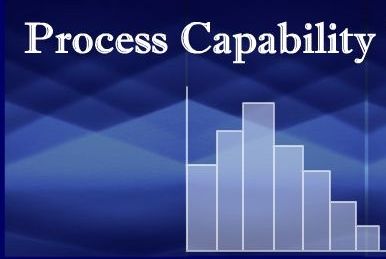
This source outlines a three-session programme focused on determining and improving process capability, often associated with Six Sigma methodologies. The initial session introduces the process model, the relationship between Key Process Input Variables (KPIV) and Key Process Output Variables (KPOV), and the importance of measurements, including the concept of normal distribution and 3-Sigma vs 6-Sigma performance. Participants engage in an exercise using a catapult (X-Pult) to identify process variables and collect data. The second session reviews control charts, distinguishing between common cause and special cause variation, and explains process capability through the Cpk index. The final session concentrates on root cause analysis, developing improvement action plans, and implementing these changes, again using the catapult exercise to demonstrate measurable improvements in process capability.$ 49$ 54 -

Pestle Analysis Template | Excel Template | Business Tool Project Planner | Project Management Analysis Tool
PESTLE Analysis Template
Are you looking for a hassle-free way to analyze your business operations and plan your projects? Look no further than the PESTLE Excel Template from Sirexcelco! Our expertly designed spreadsheet is perfect for businesses of all sizes looking to streamline their project planning and stay ahead of the game.
The PESTLE Excel Template boasts a sleek, modern design with carefully chosen colors to ensure a pleasant user experience. Our easy-to-use interface allows users to input their issues with ease, while the automatic task numbering system takes the stress out of keeping track of your progress.
Content:
• Excel file compatible with Excel 2007 and higher (and with sample data)
• Professional Design
• Works both on Mac and Windows
• No installation needed. Ready to use
• Pestle Analysis Template
• Easy to use
• 100% editable
• Excel file
• Instant download
• Friendly customer support for all your questions
License: Private Use (not for distribution or resale)
$ 5 -
Prince2 & Agile Excel RAID log template, track project Risks, Assumptions, Issues, Dependencies (plus other key logs)
Prince2 & Agile Excel RAID log template to track Risks, Assumptions, Issues, Dependencies & more. Editable, comprehensive & ideal for project managers.
$ 30$ 40 -
Prince2 & Agile Weekly / Monthly Project Status Report for Client / Internal reporting of Project Health, 3 formats
Prince2 & Agile project status report template in 3 PPT formats. Ideal for client & internal reporting of project health, risks, milestones & progress.
$ 30$ 40 -
PRINCE2 7th Edition Planner MS Templates Download – Both Microsoft Project MPP msp & ms Excel and Word Formats – Prince2
PRINCE2 7th Edition MS Templates Download – Microsoft Project MPP msp ms Excel and Word Formats – Prince2 Template Toolkit
$ 40$ 50