-
OpEx- – Sales & Operations Planning
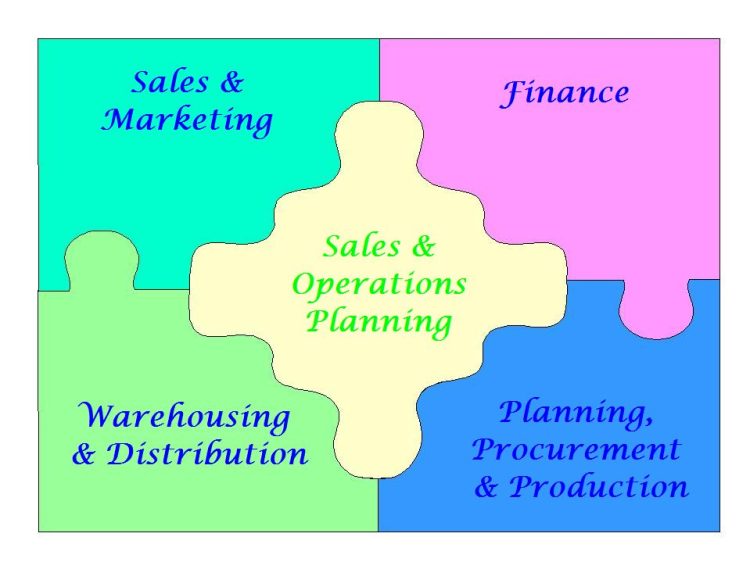
The source, “OpEx – SCM Funda1 S&OP.pdf” by Vishnu Rayapeddi, provides a comprehensive overview of Sales & Operations Planning (S&OP). It outlines the objectives, processes, and foundational elements necessary for successful S&OP implementation, highlighting its role in integrating various business functions to achieve competitive advantage. The document also addresses common industry challenges that S&OP aims to resolve, such as stock-outs and excessive inventory, and details the benefits derived from its adoption, including improved operational efficiency and enhanced communication. Furthermore, the text explores the practical application of S&OP through a case study of Kiwi Meats and introduces Integrated Business Planning (IBP) as an evolution of S&OP, emphasising its capacity for more profit-driven and executive-engaged planning across the entire enterprise.
$ 39$ 44OpEx- – Sales & Operations Planning
$ 39$ 44 -
OpEx-5SVC-5S and Visual Controls
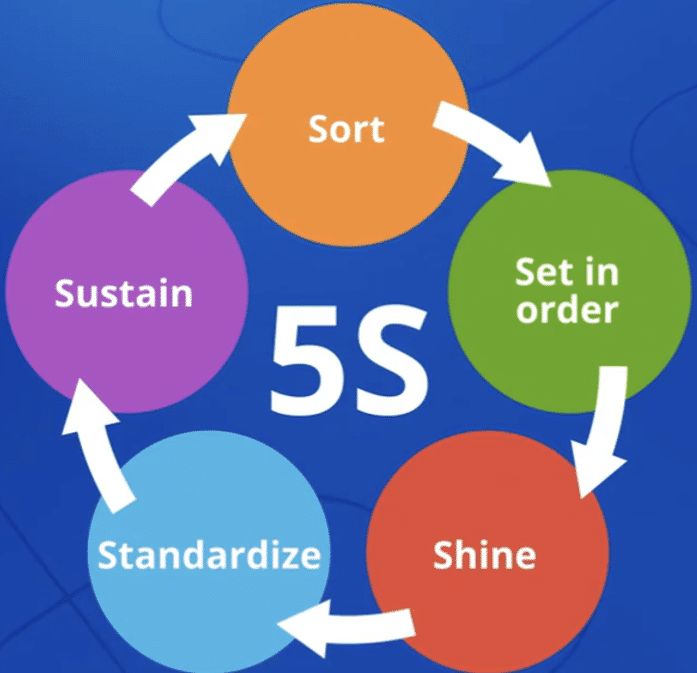
The source, titled “5S & Visual Controls for High Performance Workplace” by Vishnu Rayapeddi, outlines a comprehensive workshop focused on implementing the 5S methodology within an operational setting. This approach, originating from lean manufacturing principles, aims to create a safe, clean, and organised workplace to improve efficiency and quality. The document details each of the five “S” steps: Sort, Set-in-Order, Shine, Standardise, and Sustain, providing practical guidance, self-assessment tools, and examples for implementation. Ultimately, the objective is to achieve “World-Class Manufacturing” through disciplined workplace organisation and the effective use of visual controls and displays to communicate information and manage processes.
$ 54$ 64OpEx-5SVC-5S and Visual Controls
$ 54$ 64 -
OpEx-Quality, Problem Solving & Root Cause Analysis (RCA)
Problem Solving
The provided document, “OpEx – Quality & Problem Solving” by Vishnu Rayapeddi, offers a comprehensive guide to achieving operational excellence through effective quality management and problem-solving methodologies. It introduces the core concept of Zero Quality Control (ZQC), which aims for zero defects by preventing errors from becoming flaws, highlighting its importance for customer satisfaction and cost control. The text details various inspection approaches, contrasting traditional methods with ZQC’s source inspection, 100% inspection, short feedback loops, and mistake-proofing (Poka-Yoke). Furthermore, the document outlines a 5-step problem-solving method, incorporating tools like PDCA (Plan-Do-Check-Act), Fishbone Diagrams, Pareto Charts, Flow Charts, and Brainstorming techniques to identify root causes and implement continuous improvements.$ 29$ 34 -
-
OpEx-Six Sigma – Improve Process Capability
Process Capability
This source outlines a three-session programme focused on determining and improving process capability, often associated with Six Sigma methodologies. The initial session introduces the process model, the relationship between Key Process Input Variables (KPIV) and Key Process Output Variables (KPOV), and the importance of measurements, including the concept of normal distribution and 3-Sigma vs 6-Sigma performance. Participants engage in an exercise using a catapult (X-Pult) to identify process variables and collect data. The second session reviews control charts, distinguishing between common cause and special cause variation, and explains process capability through the Cpk index. The final session concentrates on root cause analysis, developing improvement action plans, and implementing these changes, again using the catapult exercise to demonstrate measurable improvements in process capability.$ 49$ 54 -
OpEX-Workplace Leadership
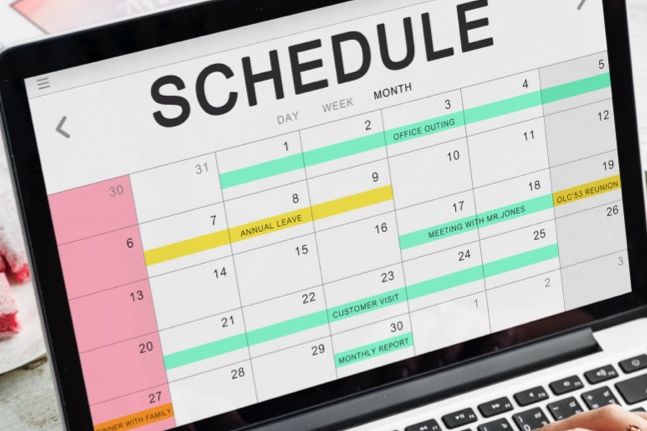
The provided document, “OpEx – Workplace Leadership” by Vishnu Rayapeddi, focuses on various aspects of effective leadership within an organisational context. It explores different leadership styles, such as autocratic, democratic, laissez-faire, and paternalistic, alongside theories of leadership including trait, behavioural, contingency, transformational, invitational, and transactional approaches. The text also addresses change leadership by outlining how employees react to change and the importance of managing one’s own work through task management strategies like scheduling and prioritisation. Finally, it highlights the significance of engaging a multigenerational workforce by understanding different generations’ values and work styles, and discusses the vital role of communication in fostering effective group and team dynamics
$ 49$ 54OpEX-Workplace Leadership
$ 49$ 54 -
OpRx – Developing a Lean Culture
Develop a Lean Culture
The source, “OpEx – Develop a Lean Culture” by Vishnu Rayapeddi, argues that organisational culture is the most crucial element for business success, not just people. It highlights the high failure rate of Lean implementations, attributing these failures not to the Lean tools themselves, but to an unwillingness to change the underlying culture. The document defines culture, behaviour, and philosophy, and explains that a culture of continuous improvement, led by passionate and accountable leaders, is essential. It further asserts that employee engagement, fostered through meaningful work, development opportunities, and organisational alignment, is the primary driver for successful cultural transformation and achieving desired business outcomes, with Lean tools serving as mere enablers rather than the solution itself.$ 39$ 44OpRx – Developing a Lean Culture
$ 39$ 44 -
P2P Investing Model
This Excel-based P2P investing model allows users to project returns on peer-to-peer lending investments over a 55-year timeframe. It includes features for monthly compounding, cash drag adjustments, deposit/withdrawal tracking, weighted average return calculation, and visual analysis.
$ 75P2P Investing Model
$ 75 -

Pareto Analysis
This Excel-based Pareto Analysis template provides a dynamic tool for identifying and prioritizing key areas of improvement across various business functions. It features automated data ordering, conditional formatting, and visual charts to facilitate clear and actionable insights.
$ 45Pareto Analysis
$ 45 -

Pestle Analysis Template | Excel Template | Business Tool Project Planner | Project Management Analysis Tool
PESTLE Analysis Template
Are you looking for a hassle-free way to analyze your business operations and plan your projects? Look no further than the PESTLE Excel Template from Sirexcelco! Our expertly designed spreadsheet is perfect for businesses of all sizes looking to streamline their project planning and stay ahead of the game.
The PESTLE Excel Template boasts a sleek, modern design with carefully chosen colors to ensure a pleasant user experience. Our easy-to-use interface allows users to input their issues with ease, while the automatic task numbering system takes the stress out of keeping track of your progress.
Content:
• Excel file compatible with Excel 2007 and higher (and with sample data)
• Professional Design
• Works both on Mac and Windows
• No installation needed. Ready to use
• Pestle Analysis Template
• Easy to use
• 100% editable
• Excel file
• Instant download
• Friendly customer support for all your questions
License: Private Use (not for distribution or resale)
$ 5