-
OpEx – Lean MBA 2-day workshop PPT
Operational Excellence: A Lean-MBA Framework
The provided document, “OpEx-Lean-MBA 2day.pdf” by Vishnu Rayapeddi, outlines a Lean MBA framework designed to achieve Operational Excellence (BizEx). It introduces Business Excellence as outperforming competitors in key operational dimensions like quality, cost, and delivery, and continuously improving fundamental systems and customer satisfaction. The framework incorporates various best practices, including Total Quality Management (TQM), Six Sigma, Theory of Constraints (TOC), and the Toyota Production System (TPS), aiming to simplify processes, enhance quality, and increase competitiveness. The text details essential Lean tools such as Value Stream Mapping (VSM), 5S methodology, Total Productive Maintenance (TPM), Standardised Work, Kaizen, and Pull Systems, explaining their purpose and implementation for waste elimination and efficiency gains. Ultimately, the document serves as a comprehensive guide for organisations seeking to foster a culture of continuous improvement and achieve world-class operational performance.$ 109$ 119OpEx – Lean MBA 2-day workshop PPT
$ 109$ 119 -
OpEx – Lean Leadership Survey Check-List
BENEFITS OF THIS WORD DOCUMENT
- Understand the Level of Leadership before any transformational activity
$ 19$ 24 -
OpEx – Lean JIT, Just In Time
Developing a Just in Time System
This resource, “Develop a Just in Time System” by Vishnu Rayapeddi, offers a comprehensive guide to implementing Just-in-Time (JIT) operational strategies. It begins by defining JIT as a system that ensures products are delivered precisely when and where they are needed, highlighting its benefits such as reduced costs and increased customer satisfaction. The material then explores the distinction between push and pull systems for creating product flow, advocating for the latter’s efficiency in lowering inventory. Key performance indicators like Takt Time, inventory turns, and DIFOTIS (Delivered in Full, On Time, In Spec) are introduced as crucial for monitoring success. The document further outlines various Kanban systems—including production, withdrawal, signal, multi-bin, and e-Kanban—as vital tools for managing material flow, along with CONWIP and FIFO systems. Finally, it presents a structured approach to implementing JIT through workplace projects, detailing evidence requirements for designing, implementing, and monitoring the system.$ 29$ 34OpEx – Lean JIT, Just In Time
$ 29$ 34 -
OpEx-Six Sigma – Improve Process Capability
Process Capability
This source outlines a three-session programme focused on determining and improving process capability, often associated with Six Sigma methodologies. The initial session introduces the process model, the relationship between Key Process Input Variables (KPIV) and Key Process Output Variables (KPOV), and the importance of measurements, including the concept of normal distribution and 3-Sigma vs 6-Sigma performance. Participants engage in an exercise using a catapult (X-Pult) to identify process variables and collect data. The second session reviews control charts, distinguishing between common cause and special cause variation, and explains process capability through the Cpk index. The final session concentrates on root cause analysis, developing improvement action plans, and implementing these changes, again using the catapult exercise to demonstrate measurable improvements in process capability.$ 49$ 54 -
-
The Essence of Toyota Way (PDF) as explained by Dr. Jeffrey Liker
The Toyota Way to Lean Excellence
This presentation outlines the Toyota Way philosophy, detailing its core principles and historical development. It explains Lean manufacturing as a systematic approach to eliminate waste, improve flow, and foster continuous improvement, highlighting its application beyond traditional manufacturing to sectors like healthcare. The four Ps of the Toyota Way – Philosophy, Process, People and Partners, and Problem Solving – are introduced as foundational elements for sustained excellence. Through case studies, such as the Donnelly Mirrors plant, the material illustrates how these principles lead to significant improvements in quality, cost, and lead time. Finally, the presentation stresses the importance of people development and a long-term commitment from leadership to embed a culture of continuous improvement, preventing entropy and ensuring the enduring success of lean implementation.$ 99$ 109 -
-
OpEx – SSGB, Six Sigma Green Belt Training PPT
This text provides a comprehensive overview of Operational Excellence and Six Sigma methodologies, detailing their importance in enhancing business profitability, customer satisfaction, and market competitiveness. It introduces key quality management gurus like Deming, Juran, Crosby, Ishikawa, and Taguchi, outlining their foundational philosophies and contributions to quality improvement. The document then thoroughly explores the Six Sigma project lifecycle, from defining and measuring processes to analysing root causes, implementing solutions, and establishing robust control plans. Crucially, it integrates concepts of stakeholder management, financial analysis, and various data collection and analysis tools essential for successful Six Sigma implementatio
$ 249$ 269 -
OpEx – VSM, Value Stream Mapping
Value Stream Mapping
The provided source, “OpEx – VSM.pdf” by Vishnu Rayapeddi, serves as a comprehensive guide to Value Stream Mapping (VSM), a critical component of Operational Excellence. It outlines an eight-step roadmap for implementing VSM, beginning with a commitment to lean principles and culminating in continuous improvement. The document explains how VSM helps visualise entire value streams, identify and eliminate non-value-adding activities (waste), and ultimately improve efficiency and customer satisfaction within manufacturing, administrative, and service sectors. Key concepts such as Takt Time, flow, pull systems, and levelling production are explored, providing practical methods for optimising processes and achieving significant cost reductions and$ 59$ 69OpEx – VSM, Value Stream Mapping
$ 59$ 69 -
OpEx-Competitive Manufacturing
Competitive Manufacturing: Your Gateway to Operational Excellence
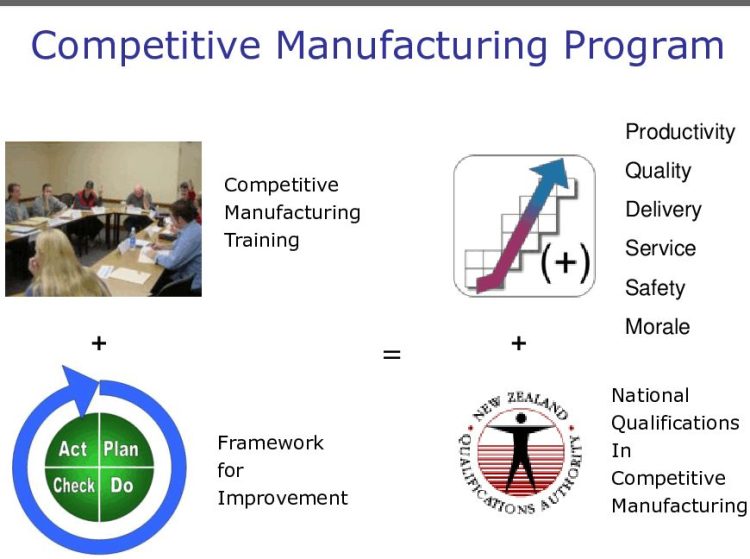
This training material, titled “Competitive Manufacturing” by Vishnu Rayapeddi, introduces the concept of Operational Excellence. It outlines a comprehensive programme designed to equip participants with the knowledge, tools, and methods to significantly improve workplaces, leading to nationally recognised certification. The core focus is on identifying and eliminating operational waste—such as defects, overproduction, and unnecessary motion—to achieve “World Class” business performance through increased cost-effectiveness, higher quality, and faster, more consistent production. The material details a structured change management model, emphasising the importance of defining changes, establishing Key Performance Indicators (KPIs), engaging stakeholders, and meticulously planning and monitoring implementation through various tools like Gantt Charts and Visual Management Systems. Ultimately, it aims to transform businesses by fostering a culture of continuous improvement and value creation for the customer.$ 59$ 69OpEx-Competitive Manufacturing
$ 59$ 69 -
OpEx- – Sales & Operations Planning
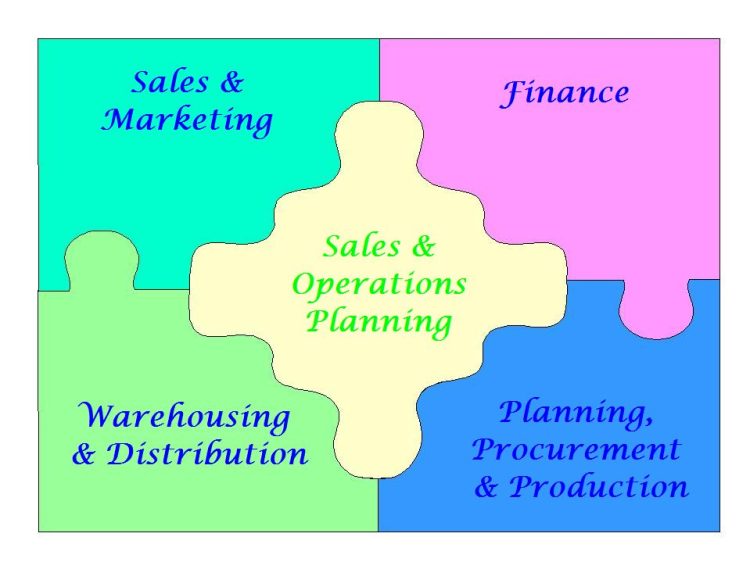
The source, “OpEx – SCM Funda1 S&OP.pdf” by Vishnu Rayapeddi, provides a comprehensive overview of Sales & Operations Planning (S&OP). It outlines the objectives, processes, and foundational elements necessary for successful S&OP implementation, highlighting its role in integrating various business functions to achieve competitive advantage. The document also addresses common industry challenges that S&OP aims to resolve, such as stock-outs and excessive inventory, and details the benefits derived from its adoption, including improved operational efficiency and enhanced communication. Furthermore, the text explores the practical application of S&OP through a case study of Kiwi Meats and introduces Integrated Business Planning (IBP) as an evolution of S&OP, emphasising its capacity for more profit-driven and executive-engaged planning across the entire enterprise.
$ 39$ 44OpEx- – Sales & Operations Planning
$ 39$ 44 -
Lean-MBA, Lean Management Business Architecture Guide (PDF)
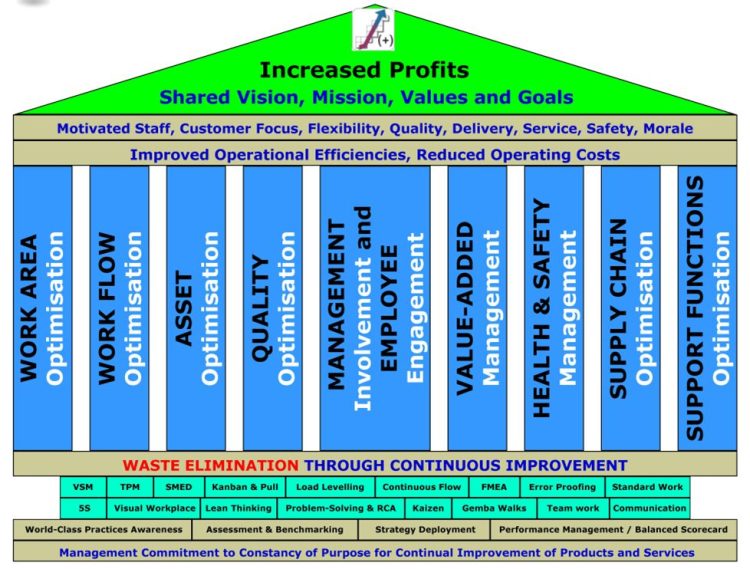
The provided text offers a comprehensive exploration of Lean thinking, originating from the Toyota Production System (TPS) and popularised by figures like James Womack. It details key Lean principles such as Just-in-Time (JIT), which encompasses Takt Time, Flow, and Pull systems, alongside tools like Kanban for material control and SMED (Single Minute Exchange of Dies) for setup reduction. The document also covers Total Quality Management (TQM), including FMEA (Failure Mode and Effects Analysis), Root Cause Analysis (RCA), and Mistake Proofing (Poka-Yoke), and introduces supporting methodologies like Training Within Industry (TWI), Kaizen (continuous improvement), and Gemba Walks. Furthermore, it discusses the application of Lean in broader contexts like supply chain management and office administration, and explores its intersection with Six Sigma and the Theory of Constraints (TOC), all while emphasising the critical role of leadership, employee engagement, and a supportive organisational culture for successful Lean implementation.$ 29$ 39