-
Project Management Template, Editable Excel Planner, Gantt Chart for Status Reports, Costing Delivery, Bids
Prince2 & Agile Project Management Templates | Editable Excel Planner, Gantt Chart for Status Reports, Costing Delivery, Bids
$ 30$ 40 -
Microsoft Excel Editable Weekly Status Report (internal external reporting) including Plan on a Page and RAIDs log etc.
Excel Weekly Status Report template with POaP, RAID log, burndown chart. For Agile or PRINCE2 projects. Editable for internal/external reporting.
$ 30$ 40 -
Prince2 & Agile Weekly / Monthly Project Status Report for Client / Internal reporting of Project Health, 3 formats
Prince2 & Agile project status report template in 3 PPT formats. Ideal for client & internal reporting of project health, risks, milestones & progress.
$ 30$ 40 -
Guide to using the Microsoft (MS) Teams FREE Planner App for tracking Waterfall, PRINCE2, Agile and Agile Scrum projects
Step-by-step MS Teams Planner guide for managing Waterfall, PRINCE2 & Agile projects. Learn to set up boards, track tasks & report progress easily.
 $ 30
$ 30$ 40 -
MS Excel Template Agile SCRUM Sprint Burn Down Chart Table & Burn Up Chart where no access to Agile tools like Jira
Editable MS Excel template for Agile Scrum burn down & burn up charts. Perfect for sprint tracking & reporting when Jira or Agile tools aren’t available.
$ 30$ 40 -
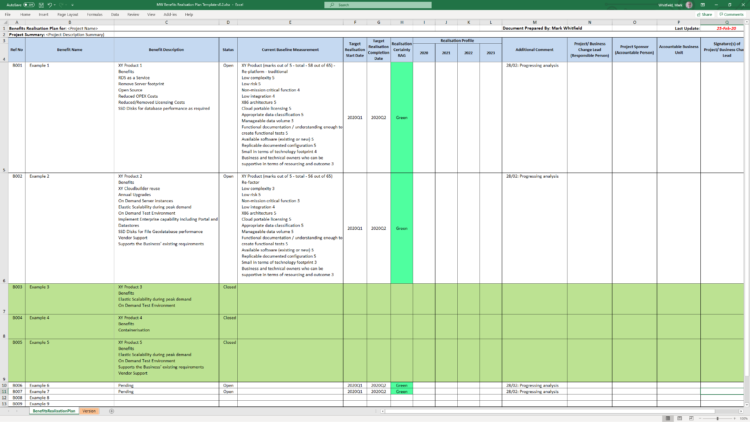
Programme, Project Benefits Realization Tracker MS Template for Recording & Tracking project benefits, baseline & status
MS Excel template for Programme & Project Benefits Realization tracking. Record benefits, baselines, targets & RAG status to monitor project outcomes.
$ 30$ 40 -
Prince2 & Agile Excel RAID log template, track project Risks, Assumptions, Issues, Dependencies (plus other key logs)
Prince2 & Agile Excel RAID log template to track Risks, Assumptions, Issues, Dependencies & more. Editable, comprehensive & ideal for project managers.
$ 30$ 40 -
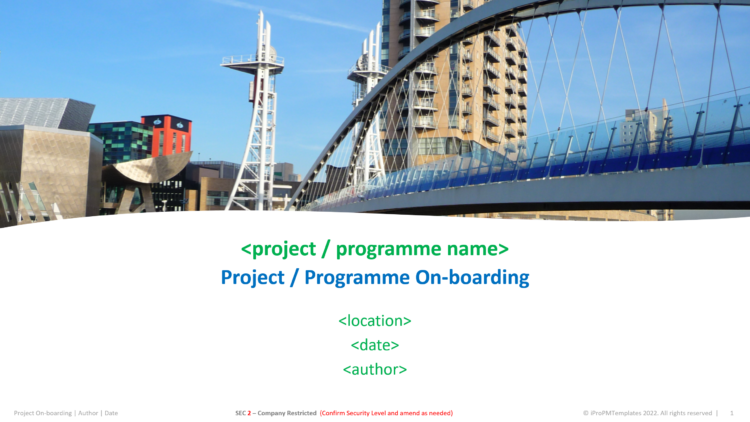
Project Programme Team Onboarding Kit Microsoft PowerPoint Editable Template
Editable MS PowerPoint Project & Programme Team Onboarding Kit. Ready-made slides to introduce new team members, project goals, roles & processes.
$ 30$ 40 -
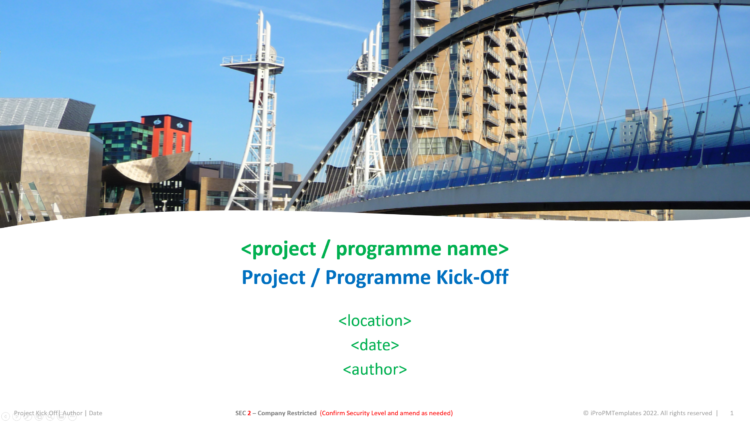
Project Programme Team Kick Off PowerPoint Microsoft Editable Template
Ready made Project Programme Kick Off template to be tailored as required for project delivery. Helps to structure your thinking by providing guidance and slides for key kick off focus areas. A useful template aid to drive one of the key tasks of a project that can often be overlooked.
$ 30$ 40 -
MS Excel, tracking project month, weekly financials incl. contracted work, forecasts, actuals, variance, expenses, pivot
A comprehensive editable, table MS Excel spreadsheet for tracking project monthly financials including summary view tab, contracted work, forecasts, actuals, variance, expenses, annual leave, suppliers and pivot tab. Purchase also includes other budget tracker examples.
$ 30$ 40 -
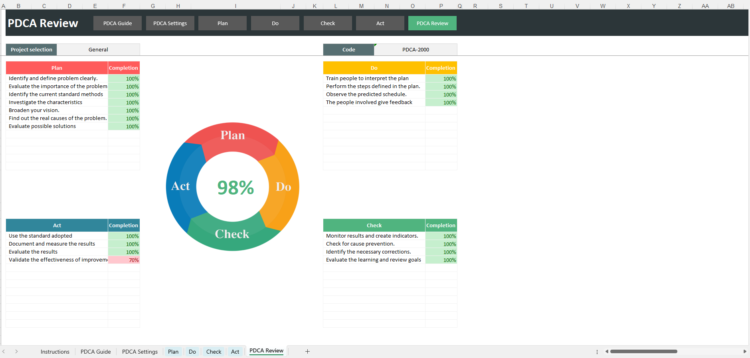
PDCA (Plan–Do–Check–Act) Excel Template
*]:pointer-events-auto scroll-mt-[calc(var(–header-height)+min(200px,max(70px,20svh)))]” tabindex=”-1″ dir=”auto” data-turn-id=”request-WEB:528532bb-fbd0-48c4-84bd-be7f5905ca43-3″ data-testid=”conversation-turn-8″ data-scroll-anchor=”true” data-turn=”assistant”> $ 29 -
OpEx – Site Review Check-List (XLS)
Understand the current state of your organisation to move forward with any improvement activities
$ 29$ 34OpEx – Site Review Check-List (XLS)
$ 29$ 34